

Commercial Mold Testing
Commercial Mold Testing — Certified Air Quality Analysis for Your Business
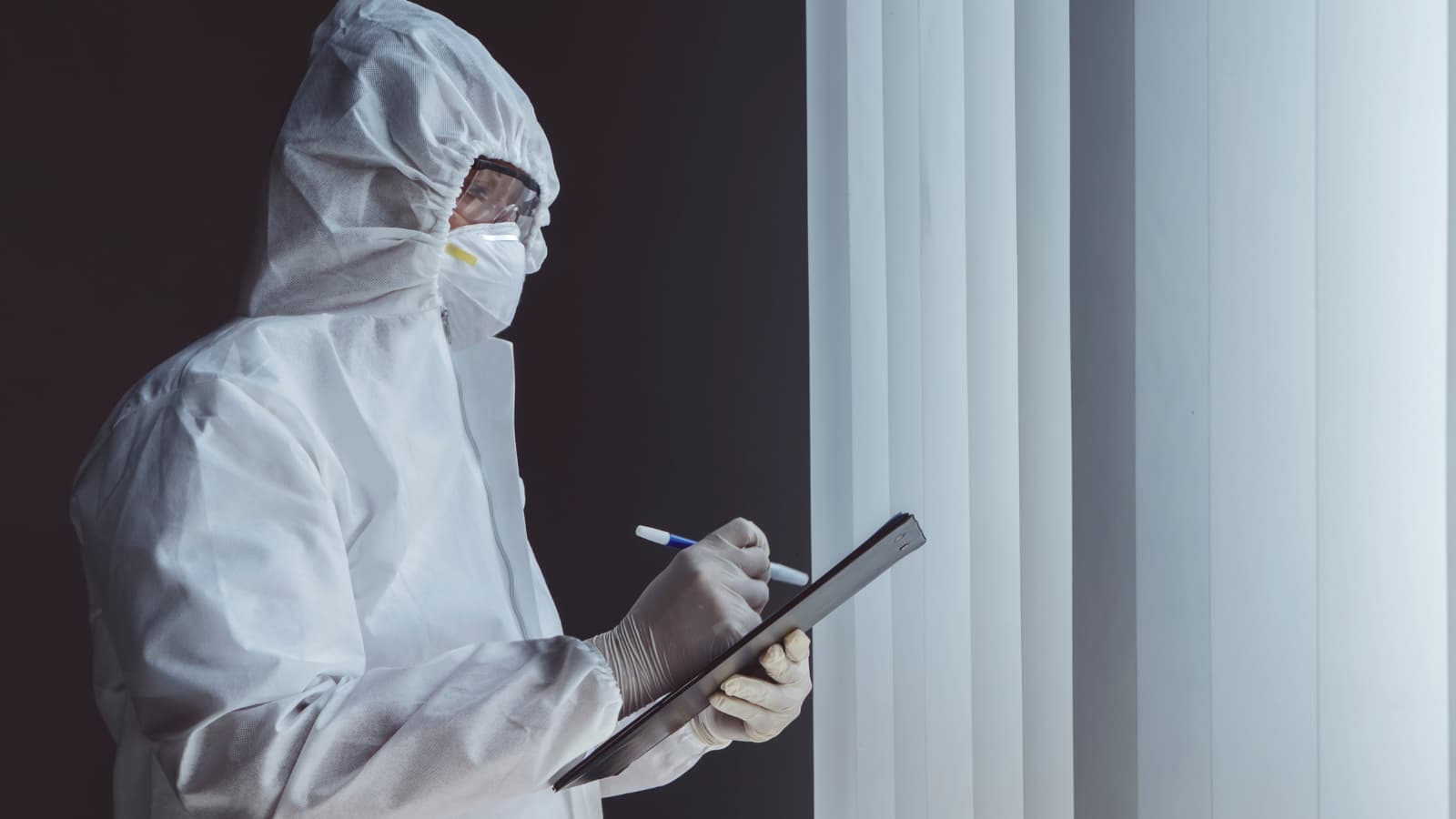
Indoor air quality in commercial buildings is regulated by OSHA and the EPA — and mold contamination creates real liability for building owners and facility managers. The CDC links mold exposure to respiratory illness and allergic reactions in occupants. Dry Effect's ACAC-certified inspectors perform professional air quality sampling and surface testing in offices, schools, healthcare facilities, restaurants, warehouses, and retail environments following IICRC standards. All samples are analyzed by accredited independent laboratories. We schedule testing after hours or on weekends to avoid disrupting your operations. Results are documented for regulatory compliance and real estate transactions.
Our Process
How Commercial Mold Testing Works
A proven, step-by-step approach to getting your property back to normal.
Site Assessment
Our ACAC-certified inspectors evaluate your commercial facility to determine the appropriate sampling strategy. We identify areas of concern based on employee complaints, visible indicators, HVAC layout, and building history. Sampling plans are tailored to your building's size and complexity.
Sample Collection
We collect air samples using calibrated spore trap cassettes at strategic locations throughout the building, including near HVAC returns, in occupied workspaces, and in suspect areas. Surface samples (tape lifts or swabs) are taken from visible growth or suspect materials. Outdoor baseline samples establish normal background levels for comparison.
Lab Analysis
All samples are shipped to an accredited independent laboratory for microscopic analysis. The lab identifies mold species, spore counts, and concentration levels. Results are objective and defensible for OSHA compliance and legal purposes.
Report & Recommendations
We provide a detailed written report with lab results, interpretation in plain language, and clear recommendations. If remediation is needed, we outline the scope and can begin work immediately with minimal disruption to your operations. Reports are formatted for building management and regulatory documentation.
Learn More
Quick Overview
Signs of Mold & When to Call A Specialist
Know the Signs
Warning Signs You Shouldn't Ignore
Catching these early can save you thousands in damage and prevent health risks for your family.
Employee complaints about musty odors or air quality
Repeated complaints from building occupants about musty smells, stuffiness, or poor air quality often indicate hidden mold contamination. These complaints create a documentation trail that can become a liability issue if not investigated.
Visible mold on ceiling tiles, walls, or around HVAC vents
Any visible mold in a commercial building warrants professional testing to determine the full extent of contamination. Surface mold often indicates a larger hidden problem in wall cavities, above drop ceilings, or within HVAC ductwork.
Increased respiratory illness or allergy complaints among staff
A pattern of headaches, sinus issues, coughing, or allergy symptoms among building occupants — especially symptoms that improve when away from the building — can indicate elevated mold spore levels in the indoor environment.
History of water intrusion, roof leaks, or plumbing issues
Any previous water event that was not professionally dried within 24-48 hours could have created conditions for hidden mold growth. Even old water stains warrant investigation with professional air quality testing.
Prevention
How to Protect Your Home
Expert tips from our technicians. These cost little to nothing and can prevent major damage.
Schedule annual indoor air quality testing
Proactive annual testing establishes baseline mold spore levels for your building. This data helps identify developing problems early and demonstrates due diligence for tenant and employee safety.
Maintain HVAC systems and replace filters on schedule
Commercial HVAC systems can spread mold spores throughout a building if not properly maintained. Regular filter changes, coil cleaning, and drain pan maintenance are essential for indoor air quality.
Address water intrusion events within 24 hours
Mold begins growing within 24-48 hours of water exposure. Any water event in a commercial building — no matter how small — should trigger immediate professional drying to prevent mold colonization.
Monitor humidity levels in all building zones
Keep indoor relative humidity below 50% in all occupied and unoccupied areas. Commercial monitoring systems can alert facility managers when humidity spikes in specific zones, allowing early intervention.
Why Dry Effect
Why Choose Dry Effect for Commercial Mold Testing
Cincinnati trusts Dry Effect because we earn it — every job, every time.
Locally Owned Since 2013
We live here, we work here, and our reputation is everything. Serving Cincinnati homeowners and businesses since 2013. BBB A+ rated with a proven track record.
IICRC Certified Technicians
Every technician on our team holds current IICRC certifications. We follow industry-standard protocols on every single job.
Flexible Financing Available
We offer affordable monthly payments through Wisetack so you can protect your home now and pay over time. Free estimates with clear, upfront pricing.
FAQ
Common Commercial Mold Testing Questions
OSHA does not set specific mold exposure limits, but employers have a general duty to provide a safe workplace under the General Duty Clause. If employees report health symptoms related to indoor air quality, investigating with professional mold testing demonstrates due diligence and helps protect your business from liability. The EPA recommends professional assessment for any commercial building with suspected mold issues.
Commercial mold testing costs depend on the size of the facility and the number of samples required. A small office may need 4-6 air samples, while a large warehouse or school may require 15-20 or more. We provide a detailed quote after an initial walkthrough.
Yes. Air sampling is quiet and non-invasive — it takes about 5-10 minutes per location. We routinely schedule commercial testing after business hours, on weekends, or during low-occupancy periods. For healthcare facilities and schools, we coordinate with facility management to minimize any impact on daily operations.
Standard lab results are available within 3-5 business days. Rush processing (24-48 hours) is available for situations requiring urgent answers — tenant complaints, regulatory inquiries, or real estate deadlines. We review results with your facility manager as soon as the lab report arrives.
Learn More
Related Articles
Mold in Cincinnati Homes: A Complete Data Guide (2026)
Cincinnati ranks among the top 15% of U.S. metros for residential mold prevalence, with an estimated 38% of homes containing some level of mold growth. The Ohio Valley's persistent humidity, aging housing stock, and high basement construction rate create ideal conditions for mold colonization. This guide compiles current data on mold types, health impacts, remediation costs, and risk factors specific to Cincinnati and the Greater Ohio Valley region.
5 Signs of Hidden Mold in Your Cincinnati Home
Mold does not always show itself. The most expensive mold problems we remediate in Cincinnati homes started as hidden colonies behind walls, under flooring, and inside HVAC systems. Here are the five warning signs that mold is growing where you cannot see it.
What is that smell—is that mold?
Did you know that musty smell you associate with mold is actually from wet building materials, and not mold? Therefore, mold grows where there is moisture, so you still would probably find mold in
Service Area
Commercial Mold Testing Across Greater Cincinnati
We provide commercial mold testing services throughout the tri-state area, including:
Don't see your area? Call us — we serve a 60-mile radius from Cincinnati.
Ready to Get Started?
Need Commercial Mold Testing? Call Now.
Don't wait — the longer you wait, the worse the damage gets. Our crews are standing by with equipment ready to roll.
Related Services