Sewage Cleanup
Emergency Sewage Cleanup — IICRC Certified, 24/7 Response
Sewage backups are classified as Category 3 water — the most dangerous type of water damage per the IICRC S500 Standard. Raw sewage contains bacteria, viruses, parasites, and other pathogens that pose serious health risks. Dry Effect's IICRC-certified technicians respond with full PPE, industrial extraction equipment, and hospital-grade antimicrobial treatments to make your property safe again. We work directly with your insurance to handle the entire claims process.
Our Process
How Sewage Cleanup Works
A proven, step-by-step approach to getting your property back to normal.
Emergency Containment
Our team arrives in full PPE (personal protective equipment) to contain the affected area and prevent cross-contamination. We establish safety zones, set up negative air pressure, and begin pumping out standing sewage immediately.
Extraction & Removal
Industrial-grade pumps extract all sewage water. Contaminated materials that cannot be safely sanitized — carpet, padding, drywall below the flood line, insulation — are carefully removed, bagged, and disposed of following biohazard protocols.
Sanitization & Treatment
All remaining surfaces are cleaned with hospital-grade disinfectants and treated with antimicrobial solutions that kill bacteria, viruses, and fungi. We use HEPA air scrubbers to capture airborne contaminants and deodorize the space.
Drying & Verification
Commercial air movers and dehumidifiers bring the structure to dry standard. We verify safe moisture levels with scientific instruments and can coordinate post-remediation testing to confirm the space is safe for reoccupation.
Learn More
Quick Overview
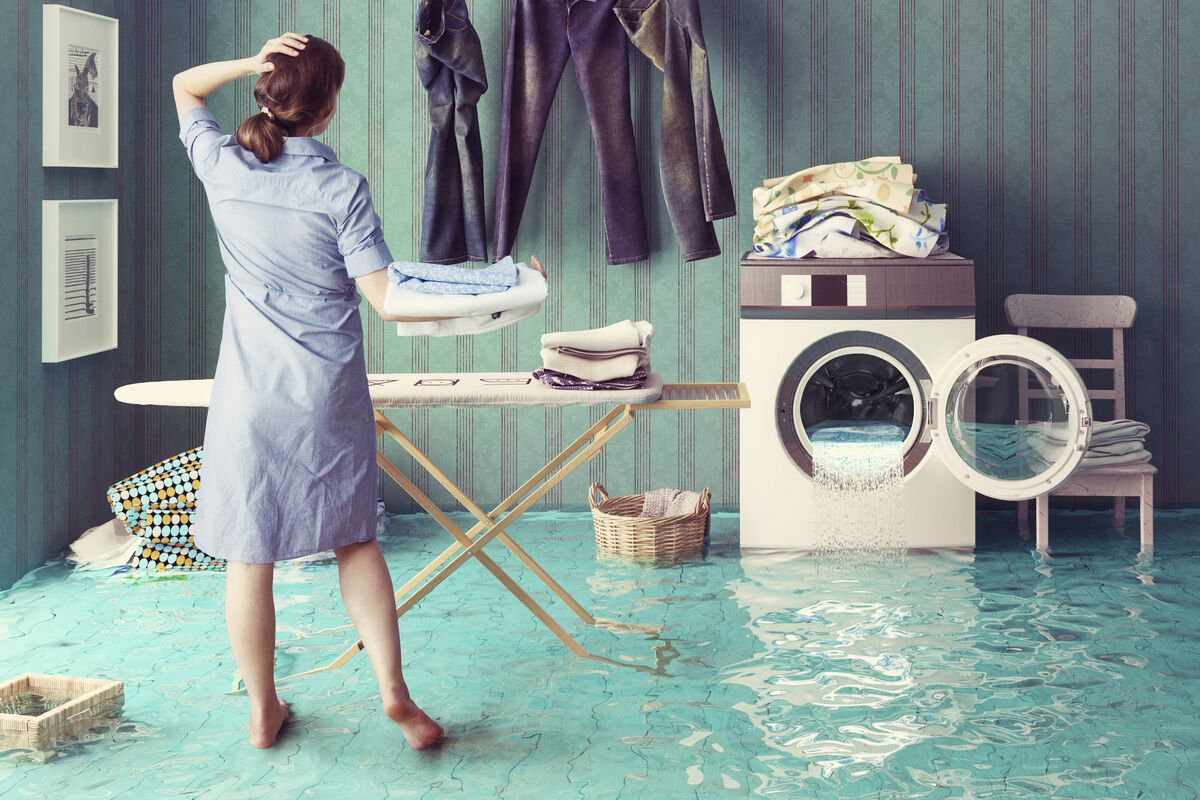
How To Clean Up A Water Damage?
One-stop shop
We clean it up, and we put it back
Most cleanup companies leave when their part is done, and you are left to find a contractor for the repairs. Dry Effect does both. Once the area is cleaned, sanitized and dry, our own crew rebuilds what had to come out — so you have one company and one contact from the first call to the finished repair.
We clean it up
Water out and dried, mold removed, or smoke and soot cleaned — measured and documented.
We write the repair estimate
Line by line, in Xactimate, for you and your insurance company.
We put it back
Insulation, drywall, paint, trim, flooring and cabinets — then a walk-through with you.
Why Dry Effect
Why Choose Dry Effect for Sewage Cleanup
Cincinnati trusts Dry Effect because we earn it — every job, every time.
Locally Owned Since 2013
We live here, we work here, and our reputation is everything. Serving Cincinnati homeowners and businesses since 2013. BBB A+ rated with a proven track record.
IICRC Certified Technicians
Every technician on our team holds current IICRC certifications. We follow industry-standard protocols on every single job.
Direct Insurance Billing
We work with all major insurance carriers and handle the entire claims process — documentation, communication, and billing.
FAQ
Common Sewage Cleanup Questions
Extremely. Sewage is classified as Category 3 (black water) — the most hazardous type of water damage. It contains E. coli, hepatitis, salmonella, and other dangerous pathogens. The CDC warns that sewage contamination can also trigger rapid mold growth, compounding health risks. Never attempt to clean sewage yourself. Professional cleanup with proper PPE, extraction equipment, and antimicrobial treatment is essential to protect your family's health.
Yes, most homeowner's insurance policies cover sewage backup damage, especially if you have a sewer backup rider (which many policies include or offer as an add-on). We work directly with all major insurance carriers, handle the documentation and claims communication, and bill your insurance directly so you're not out of pocket.
Immediately. Every hour that sewage sits, contamination spreads further into building materials and the health risk increases. We respond to sewage emergencies 24/7, within 60 minutes. Fast response significantly reduces the scope of damage and the overall cost of cleanup.
Common causes include tree root intrusion into sewer lines, aging or collapsed pipes, municipal sewer system overload during heavy rainfall, clogged main lines, and sump pump failure. While some causes are preventable with maintenance, many are not — which is why insurance typically covers the damage.
Hard, non-porous items can usually be sanitized and saved. Porous materials like carpet, padding, upholstered furniture, mattresses, and drywall below the flood line typically cannot be safely decontaminated and must be replaced. We document everything for your insurance claim to ensure you're covered for replacements.
Learn More
Related Articles
What to Do in the First 24 Hours After Water Damage
The first 24 hours after water damage are the most critical window you have. Every hour of delay increases damage exponentially, drives up restoration costs, and raises the risk of mold growth. Here is exactly what to do, hour by hour.
How Much Does Water Damage Restoration Cost in Cincinnati?
Water damage restoration costs in Cincinnati range from $1,500 for a minor cleanup to $30,000+ for major structural damage. This guide breaks down real costs by damage type, explains what drives the price, and covers what insurance will and will not pay.
Main Causes of Sewer Backups
Can you guess the important piece that connects the plumbing fixtures, drains, municipal sanitary sewers and pipes in your home? Yes, it is your main sewer line. What if it gets blocked or
Service Area
Sewage Cleanup Across Greater Cincinnati
We provide sewage cleanup services throughout the tri-state area, including:
Don't see your area? Call us — we serve a 60-mile radius from Cincinnati.
Ready to Get Started?
Need Sewage Cleanup? Call Now.
Don't wait — the longer you wait, the worse the damage gets. Our crews are standing by with equipment ready to roll.
Related Services