Mold Spore Travel and Settlement
Welcome to the world of mold remediation, where the intricate science behind mold remediation smoothly integrates with the practical steps taken to keep your home safe and healthy. As homeowners, comprehending the complexities of mold remediation is crucial, as it directly affects your family's well-being and the durability of your property. In this extensive guide, we'll look deep into the science behind mold remediation to illuminate the intricate processes that mold removal professionals employ to ensure your home remains mold-free.
Mold is more than just an unsightly presence in your home; it's a living organism that belongs to the fungi kingdom. These microscopic organisms play a key role in nature by breaking down organic matter, but when they infiltrate your home, they become a health hazard. Understanding the science behind mold remediation begins with comprehending the very nature of mold itself.
Mold comes in various shapes, colors, and sizes, with some of the most common indoor types being Stachybotrys (black mold), Aspergillus, Penicillium, and Cladosporium. Familiarizing yourself with these molds and their unique characteristics is essential for grasping the intricacies of the science behind mold remediation.
Mold thrives under specific conditions, primarily driven by moisture, humidity, and a suitable food source. The science behind mold remediation necessitates a profound understanding of these conditions, as they form the foundation upon which mold issues in your home can be effectively addressed.
Mold boasts a life cycle comprised of four key stages: spore production, germination, hyphal growth, and sporulation. looking at the science behind mold remediation requires us to appreciate how this cycle dictates the spread and reproduction of mold within your living spaces.
Moisture serves as the catalyst for mold growth. While mold spores exist ubiquitously in the air, they remain dormant until suitable moisture levels trigger their activation. This key connection between moisture and mold growth is central to the science behind mold remediation.
Mold spores are remarkably lightweight and can be transported through the air, ultimately settling on various surfaces throughout your home. To master the science behind mold remediation, we must understand the intricate journey of these spores and where they find their resting place.
Filtration and HEPA Vacuums
Accurately gauging the extent of a mold problem necessitates specialized knowledge and equipment. Professional mold inspectors use various techniques, including air and surface sampling, to comprehensively assess the severity of the infestation, showcasing the empirical side of the science behind mold remediation.
Advanced tools such as thermal imaging cameras and moisture meters help professionals to pinpoint concealed mold growth behind walls or in hidden spaces. This technology plays an instrumental role in creating a precise and effective mold remediation plan, blending modern technology with the science behind mold remediation.
Certified mold remediation professionals possess the expertise required to accurately identify mold species and evaluate the associated health risks. Their knowledge ensures a thorough and precise assessment of your mold problem, underscoring the significance of qualifications within the science behind mold remediation.
Effective containment is a cornerstone of mold remediation. Professionals employ barriers and negative air pressure systems to curtail the dispersion of mold spores into unaffected areas, demonstrating the meticulous planning embedded within the science behind mold remediation.
High-Efficiency Particulate Air (HEPA) filtration systems and vacuums play a key role in eradicating airborne mold spores during remediation. This technology ensures that the air within your home is clean and safe to breathe, aligning smoothly with the science behind mold remediation.
Responsible Disposal
The multi-step process of thoroughly cleaning and sanitizing affected areas is at the core of mold remediation. Antimicrobial agents are employed to eliminate mold at its source, beautifully intertwining chemistry with the science behind mold remediation.
The prevention of mold recurrence hinges upon moisture control. Repairing leaks, enhancing ventilation, and maintaining optimal humidity levels become essential steps in thwarting mold growth - a proactive approach firmly grounded in the science behind mold remediation.
Upkeeping good indoor air quality is key. Proper ventilation and air circulation help avert mold growth by mitigating stagnant, humid conditions, affirming the symbiotic relationship between environmental factors and the science behind mold remediation.
Scheduled inspections serve as a proactive measure to detect mold issues early on, before they metamorphose into major problems. By adhering to a routine maintenance schedule, you invest in safeguarding your home and budget - another practical application of the science behind mold remediation.
While DIY mold removal is alluring, professionals offer a slew of advantages, including their expertise, access to specialized equipment, and the ability to ensure complete mold removal. Attempting to remediate mold yourself can result in incomplete removal or, even worse, the inadvertent spread of mold - a stark reminder of the importance of expertise in the science behind mold remediation.
Certified mold remediation companies possess the experience and training necessary to address mold problems effectively. They grasp the subtleties associated with various mold species and deploy the most suitable strategies for their elimination, proving the teamwork between experience and the science behind mold remediation.
We systematically debunk common misconceptions surrounding DIY mold removal. Myths such as the use of bleach, painting over mold, and reliance on home remedies are revealed as ineffective practices, shedding light on the importance of evidence-based approaches within the science behind mold remediation.
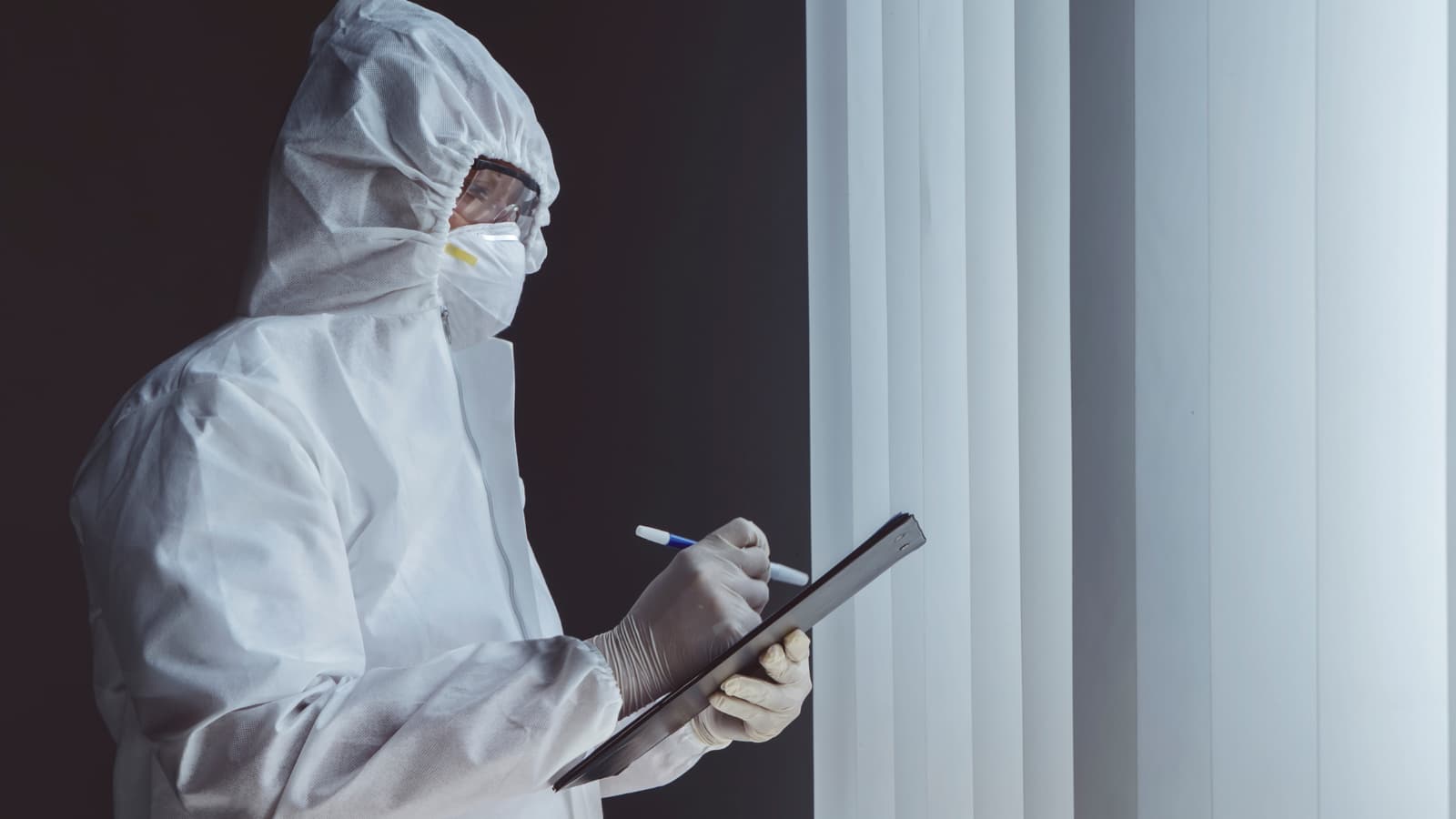
Professional mold remediation entails stringent safety protocols designed to protect both workers and homeowners. Personal protective equipment (PPE), containment barriers, and negative air pressure systems epitomize the commitment to safety inherent in the science behind mold remediation.
The use of protective gear, including masks, gloves, and coveralls, assumes paramount importance when dealing with mold. These measures minimize the risk of mold exposure and respiratory issues, underlining the symbiosis of safety measures and the science behind mold remediation.
Post-remediation cleaning holds a key role in ensuring no mold spores linger. Professionals employ HEPA vacuums and antimicrobial agents to cleanse and sanitize affected areas meticulously, showcasing the thoroughness ingrained in the science behind mold remediation.
Environmental consciousness plays a central role in mold remediation. Utilizing eco-friendly products and adhering to proper disposal practices help mitigate the environmental impact of the process, harmonizing ecology with the science behind mold remediation.
Adherence to stringent regulations regarding the disposal of contaminated materials and chemicals is imperative to prevent further environmental contamination. This eco-friendly facet of mold remediation aligns with the broader environmental stewardship inherent in the science behind mold remediation.
The Science Behind Mold Remediation
Selecting safe and environmentally friendly mold remediation products not only benefits the planet but also safeguards the health of your family, accentuating the interplay between environmental responsibility and the science behind mold remediation.
Certified mold remediation professionals undergo rigorous training and abide by industry standards. Homeowners are encouraged to verify the certifications of any mold remediation company they engage with, emphasizing the importance of qualifications in the science behind mold remediation.
Various federal and state regulations govern mold remediation to ensure safe and effective practices. A comprehensive understanding of these guidelines helps homeowners to make informed decisions and reinforces the regulatory aspect of the science behind mold remediation.
Providing resources and guidance on how to verify the credentials of mold remediation companies equips homeowners with the tools they need to select the right professionals - proof of the transparency and accountability that underscore the science behind mold remediation.
In this immersive exploration of the science behind mold remediation, we've journeyed through the fascinating area of mold and its growth mechanisms. We've covered the essential steps of assessing and remediating mold issues, as well as the critical aspects of prevention and safety. Remember, mold remediation is an intricate science, and professionals are your trusted allies in safeguarding your home as a healthy and mold-free environment.
Do not hesitate to reach out to certified mold remediation companies when needed, and proactively adopt measures to shield your home and loved ones from the concealed perils of mold. Your well-being and peace of mind are unequivocally worth it. The science behind mold remediation is your ally in this effort, providing the knowledge and expertise required to ensure your home remains a haven of health and security.
Read us first on Google
Mark Dry Effect as a preferred source and our water damage, mold, and waterproofing guides come up higher the next time you search.