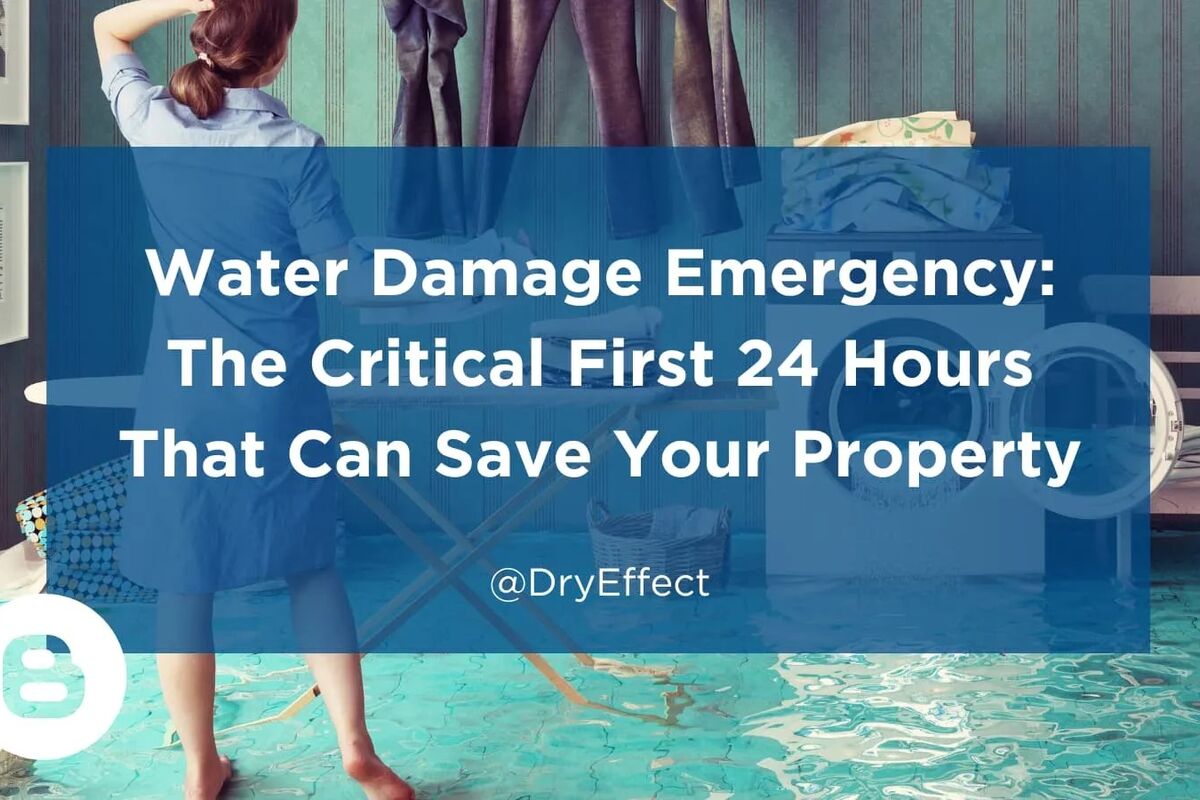
Step 1: Ensure Safety First
Water damage can be overwhelming and costly, but knowing what to do right away can make all the difference in preventing long-term issues. Acting quickly can save thousands in repairs, prevent mold growth, and protect your home’s structural integrity. In this guide, we’ll walk you through 10 essential water damage restoration steps to take immediately after discovering water damage in your home.
When it comes to water damage, every minute counts. Left untreated, water can seep into floors, walls, and foundations, leading to mold, rot, and even structural problems. Immediate action will help you minimize the impact and restore your home effectively.
The first priority is ensuring everyone’s safety. Flooded areas can pose electrical and slipping hazards, so proceed with caution.
Turn Off Electricity
Water and electricity are a dangerous combination. If it’s safe to do so, turn off the power to the affected areas at your home’s breaker box. If water levels are high, don’t attempt to reach the breaker; call a professional instead.
Check for Gas Leaks
Water damage can sometimes impact gas lines. If you smell gas, evacuate immediately and contact emergency services.
Step 6: Salvage What You Can
After ensuring safety, the next step in your water damage restoration steps is to identify and stop the source of the water. This could be anything from a burst pipe to a leaking roof.
Identify the Water Source
Common sources of water damage include:
- Burst or leaking pipes
- Broken water heaters
- Roof leaks
- Overflowing toilets or sinks
Shut Off the Main Water Supply
If you can’t locate the exact source, shutting off the main water valve will stop water flow throughout the house.
Before you begin cleanup, document all damage thoroughly for insurance purposes. This will be crucial if you decide to file a claim.
Take Photos and Videos
Capture photos and videos of the affected areas, including visible damage to floors, walls, furniture, and belongings.
Keep Track of Damaged Items
Create a list of damaged items and their approximate value. Insurance companies may require this information for reimbursement.
Learn more about filing insurance claims for water damage to ensure you’re fully covered.
Once you've documented the damage, begin removing standing water as quickly as possible. The longer water sits, the more extensive the damage will be.
Use Buckets and Towels for Small Amounts of Water
If there’s a manageable amount of water, start with buckets, mops, and towels.
For Larger Amounts, Use a Wet/Dry Vacuum
A wet/dry vacuum can help remove larger amounts of standing water effectively. If the flooding is severe, you may need to call a professional water extraction service.
Drying is one of the most critical water damage restoration steps, as it helps prevent mold growth. After removing standing water, begin the drying process immediately.
Open Windows and Doors
Ventilate the area as much as possible by opening windows and doors, allowing fresh air to circulate.
Use Fans and Dehumidifiers
Place fans and dehumidifiers in the affected area to speed up the drying process. A dehumidifier is especially effective in reducing moisture levels in the air.
Once the area is drying out, assess what can be salvaged and what needs to be discarded.
Prioritize Valuable or Sentimental Items
Books, photographs, and heirlooms can often be saved if they’re dried quickly. Place items in a dry, ventilated area.
Separate Damaged Items from Salvageable Ones
If items like furniture or electronics are severely damaged, consider discarding them, as they may pose health risks due to mold or contamination.
Get tips on how to clean and salvage water-damaged belongings to maximize recovery.
Step 10: Prevent Future Water Damage
Floodwater often brings bacteria, mold spores, and contaminants. Thorough cleaning and disinfecting are essential parts of effective water damage restoration steps.
Use Disinfectants on Hard Surfaces
Clean floors, walls, and non-porous surfaces with a disinfectant solution to kill any bacteria.
Wash Soft Goods
For carpets, curtains, and upholstered furniture, professional cleaning is recommended. Mold can grow in these items quickly, so prompt action is essential.
Mold can begin growing within 24-48 hours after water damage, making mold inspection a crucial step in your water damage restoration process.
Check Damp Areas
Look closely at walls, floors, and behind furniture for any signs of mold growth, such as discoloration, musty odors, or fuzzy textures.
Consider Hiring a Professional Mold Inspector
If you suspect mold but can’t see it, a professional mold inspector can help identify hidden mold. This can prevent health issues and additional damage down the line.
While DIY methods can handle minor water damage, professional help is recommended for larger, more serious incidents. Water damage restoration experts have the tools and expertise to thoroughly dry, clean, and restore your property.
Benefits of Hiring Professionals
- Advanced drying and dehumidification equipment
- Thorough mold inspection and remediation
- Professional guidance with insurance claims
Learn about the benefits of hiring a water damage restoration company for your home.
After addressing the immediate issues, take steps to prevent future water damage and make your home more resilient.
Seal and Waterproof Vulnerable Areas
Basements, foundations, and crawl spaces are common water entry points. Waterproofing and sealing these areas can significantly reduce your risk.
Regularly Inspect and Maintain Plumbing
Schedule regular inspections of your plumbing and HVAC systems to catch any potential issues early.
Discover top tips on how to prevent water damage in your home and protect your property.
Conclusion: Why Prompt Action is Key to Effective Water Damage Restoration Steps
Water damage can be stressful and overwhelming, but taking immediate, organized steps is the best way to protect your home and avoid extensive repairs. By following these water damage restoration steps, you can minimize damage, prevent mold growth, and restore your home to its original condition.
If you're dealing with severe water damage, don’t hesitate to call in professionals. Dry Effect offers fast, reliable restoration services that get your home back to normal as quickly and safely as possible.
For more information or a free consultation, contact us today. Acting fast can make all the difference!
Read us first on Google
Mark Dry Effect as a preferred source and our water damage, mold, and waterproofing guides come up higher the next time you search.