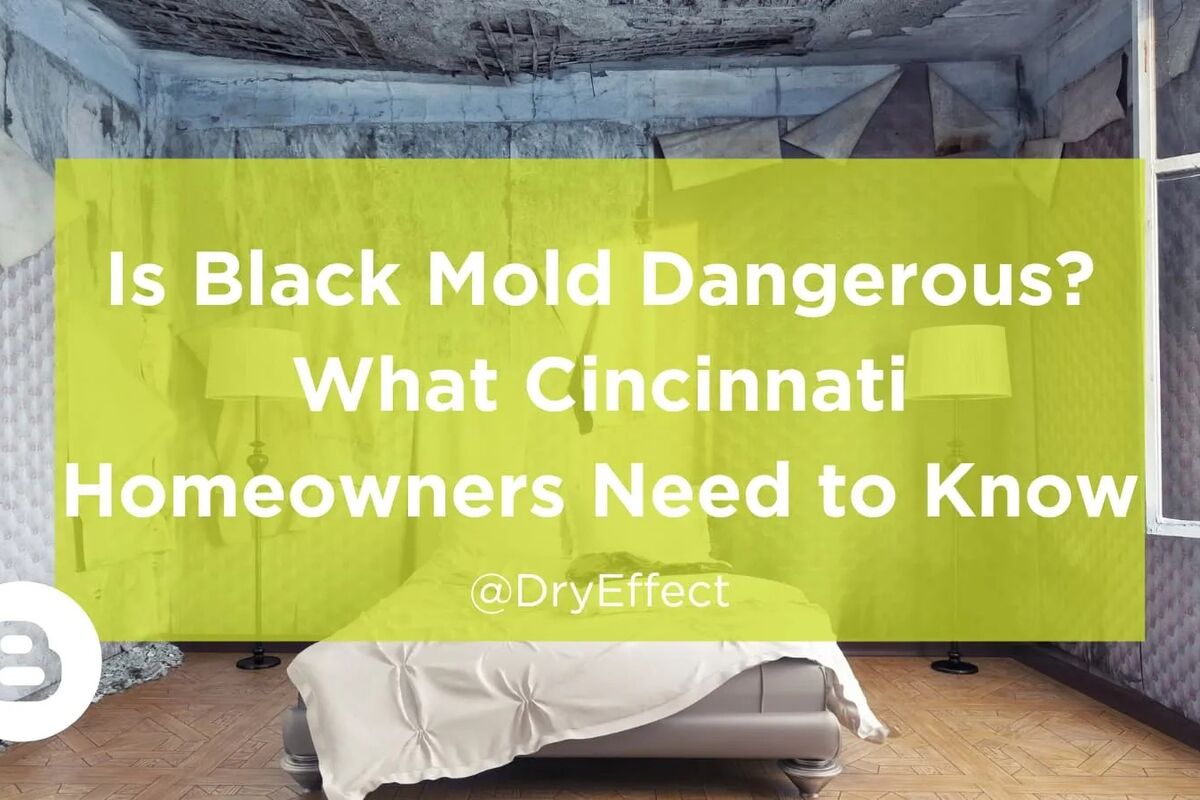
Common Culprits Behind Moldy Water Damage
Welcome to our comprehensive guide on tackling the ever-annoying issue of moldy water damage. If you're a homeowner, you've likely faced your fair share of home-related challenges, and mold is undoubtedly one of them. We're Dry Effect, a team of experienced mold remediation specialists, and we're here to share our expertise and help you understand everything you need to know about dealing with moldy water damage.
Moldy water damage is that unpleasant blend of moisture and mold that wreaks havoc in homes and businesses. Picture this: you come home from a vacation only to find that a pipe burst in your absence, turning your once cozy home into a moldy jungle. That's the kind of scenario we're talking about.
1. Leaky Roofs and Basements
- Roof leaks can let water seep into your attic or walls.
- Basement leaks are a prime breeding ground for mold due to poor ventilation.
2. Burst Pipes and Plumbing Issues
- Frozen pipes can burst, releasing gallons of water into your home.
- Unresolved plumbing problems can lead to hidden moisture issues.
3. Flooding and Storm Damage
- Severe weather events can inundate your home with water.
- Floodwaters can bring contaminants and mold spores.
Structural Damage: A Costly Consequence
Mold exposure can lead to a range of health problems. Itchy eyes, sneezing, and coughing may seem trivial at first, but prolonged exposure can trigger more severe conditions, especially in individuals with respiratory issues. We've seen firsthand how mold can negatively impact people's health, which is why addressing it is crucial.
One unmistakable sign of moldy water damage is the presence of visible mold. Mold can take on various colors, including green, black, or even white. You might find it growing on walls, ceilings, or in damp corners. If you spot this unwelcome guest, it's time to take action.
Here's a tip from our experience: mold has a distinctive, musty odor. It's often described as a combination of dampness and earthiness. If your home has an unusual odor that you can't quite pinpoint, it might be mold.
Pay attention to any health symptoms that seem to worsen when you're at home. If your allergies flare up or you experience unexplained respiratory issues, moldy water damage could be the culprit.
Mold doesn't just affect your health; it can also harm your home's structure. Mold eats away at materials like wood and drywall, weakening them over time. Ignoring moldy water damage can lead to costly structural repairs down the road. I once encountered a situation where a neglected leaky roof caused the wooden beams to deteriorate to the point where the ceiling started sagging dangerously. It was a costly fix that could have been avoided with timely action.
Preventing Future Mold Growth
While some individuals might not be severely affected by mold, others are more vulnerable. Children, the elderly, and people with compromised immune systems are at higher risk. Moldy water damage can exacerbate existing health conditions and lead to serious complications.
Did you know that mold can also affect your home's resale value? Potential buyers are often wary of properties with a history of mold issues. Addressing moldy water damage promptly can save you from losing out on a good deal when it's time to sell.
Before you dive into mold remediation, prioritize safety. Invest in protective gear like gloves, masks, and goggles to shield yourself from mold spores. A personal anecdote here: I once went into a mold-infested attic without proper protection, and the result was a pretty uncomfortable week of sneezing and itching.
Small mold problems might be manageable with DIY solutions. Still, for more extensive issues or if you're uncertain about the extent of the damage, it's wise to call in the professionals. A professional can accurately assess the situation and provide effective solutions.
Certified mold remediation specialists, like us at Dry Effect, have the knowledge, equipment, and experience to tackle moldy water damage efficiently. We know how to identify hidden mold, contain the spread, and safely remove it. Plus, we'll help you understand the cause of the issue to prevent future recurrence.
When in doubt, testing is a valuable tool. Mold testing can determine the type and concentration of mold in your home, helping professionals tailor their approach for effective remediation.
Containing the affected area is crucial to prevent mold spores from spreading to other parts of your home. We use specialized barriers and negative air pressure systems to isolate the moldy space.
We employ safe and efficient methods to remove mold from surfaces. Remember, simply scrubbing the visible mold might not be enough; it can still leave behind hidden spores.
To prevent mold from returning, we ensure the affected area is thoroughly dried. Mold loves moisture, so removing it is key to successful remediation.
Once mold is removed, we clean and disinfect surfaces to eliminate any lingering spores. This step is critical to preventing mold from coming back.
After remediation, it's essential to address the root cause of the moldy water damage. Fix leaks, improve ventilation, and maintain proper humidity levels to keep mold at bay.
Conclusion
Regular home maintenance is your first line of defense against moldy water damage. Fix leaks promptly, clean gutters, and ensure your home's exterior is well-maintained.
Mold thrives in damp environments, so moisture control is key. Use dehumidifiers in humid areas of your home, and ensure proper ventilation in bathrooms and kitchens.
A well-ventilated home is less likely to suffer from mold issues. Make sure your attic, basement, and crawl spaces have adequate ventilation to prevent moisture buildup.
The cost of mold remediation varies based on several factors, including the extent of the damage, the type of mold, and your location. Investing in professional remediation can save you money in the long run by preventing recurring mold issues.
Professional mold remediation ensures the problem is thoroughly addressed, reducing the risk of future outbreaks. It also gives you peace of mind, knowing that your home is safe and healthy.
While homeowners' insurance policies differ, many cover sudden and accidental water damage. However, they often exclude mold damage resulting from long-term neglect or maintenance issues. Be sure to review your policy and understand its limitations.
If you suspect mold damage is covered by your policy, document the damage, contact your insurance company promptly, and follow their claims process. A professional assessment and documentation can strengthen your claim.
Read More-Does My Homeowner’s Insurance Cover Damage from Mold?
In conclusion, moldy water damage is a formidable foe, but it's one that can be defeated with the right knowledge and action. Timely intervention and professional assistance are your best allies in this battle. Don't let mold compromise your health or your home's value.
If you're dealing with moldy water damage or want to ensure your home is mold-free, reach out to Dry Effect Mold Remediation Specialists today. Our team of certified experts is here to help you breathe easy in your home once again.
Remember, when it comes to moldy water damage, knowledge and action go hand in hand. Don't wait; tackle mold head-on for a healthier, happier home.
Read us first on Google
Mark Dry Effect as a preferred source and our water damage, mold, and waterproofing guides come up higher the next time you search.