Identifying the Most Dangerous Molds for Health
As a homeowner, ensuring the safety and health of your family is a top priority. One of the hidden dangers that can lurk within your home is mold. While not all molds are harmful, certain types pose significant health risks. This comprehensive guide will help you understand the most dangerous molds for health, how to identify them, and what steps to take to protect your home and loved ones.
Molds are fungi that grow in moist environments. They reproduce by releasing tiny spores that float through the air and can settle on surfaces. When these spores find a damp spot, they begin to grow and spread. Molds can be found both indoors and outdoors, and while some are harmless, others can cause serious health problems.
Here are some of the most dangerous molds for health that homeowners should be aware of: 1. Stachybotrys Chartarum (Black Mold) Often referred to as black mold, Stachybotrys chartarum is one of the most dangerous molds for health. It thrives in areas with high humidity and can grow on materials like paper, wood, and drywall. Exposure to black mold can cause severe respiratory issues, chronic fatigue, and neurological problems. 2. Aspergillus Aspergillus is a common mold that can be found both indoors and outdoors. It can produce mycotoxins that are harmful to health. People with weakened immune systems or lung diseases are particularly susceptible to infections caused by Aspergillus. Symptoms include coughing, wheezing, and sinus infections. 3. Penicillium While Penicillium is used in the production of antibiotics like penicillin, certain species can be harmful. This mold often grows on water-damaged materials such as wallpaper, carpet, and insulation. Exposure to Penicillium can cause allergic reactions, asthma attacks, and lung inflammation. 4. Cladosporium Cladosporium is a mold that can grow in both warm and cool areas. It is commonly found on wood, textiles, and food. While not as dangerous as black mold, Cladosporium can still cause health issues, particularly for those with allergies or asthma. Symptoms include skin rashes, eye irritation, and respiratory problems.
Health Risks Associated with the Most Dangerous Molds for Health
The most dangerous molds for health can cause a range of symptoms and health problems. Here are some of the most common issues associated with mold exposure: 1. Respiratory Problems Mold spores can irritate the respiratory system, leading to symptoms such as coughing, wheezing, and shortness of breath. People with asthma or other lung conditions are at higher risk of severe reactions. 2. Allergic Reactions Many people are allergic to mold spores. Exposure can cause symptoms like sneezing, runny nose, red eyes, and skin rashes. In severe cases, mold allergies can lead to asthma attacks. 3. Chronic Fatigue Exposure to toxic molds can lead to chronic fatigue and weakness. This can significantly impact daily life and overall well-being. 4. Neurological Problems Some molds produce mycotoxins that can affect the nervous system. Symptoms may include headaches, difficulty concentrating, memory loss, and dizziness. 5. Immune System Suppression Exposure to mold can weaken the immune system, making individuals more susceptible to infections and illnesses.
Preventing Mold Growth in Your Home
Preventing the growth of the most dangerous molds for health in your home is essential for protecting your family's well-being. Here are some steps homeowners can take to reduce the risk of mold growth: 1. Control Humidity Levels Molds thrive in humid environments. Keep indoor humidity levels below 60% by using dehumidifiers and air conditioners. Ensure proper ventilation in areas prone to moisture, such as bathrooms, kitchens, and basements. 2. Fix Water Leaks Address any leaks in your home's plumbing, roof, or windows immediately. Even small leaks can create the damp conditions necessary for mold growth. 3. Improve Ventilation Ensure that your home is well-ventilated. Use exhaust fans in bathrooms and kitchens to remove moisture from the air. Open windows and doors when weather permits to increase airflow. 4. Use Mold-Resistant Products When renovating or building, consider using mold-resistant products such as drywall and paint. These materials are designed to inhibit mold growth. 5. Clean and Dry Wet Areas Promptly If your home experiences flooding or water damage, clean and dry the affected areas within 24-48 hours. Remove and replace water-damaged materials like carpeting and drywall.
Conclusion
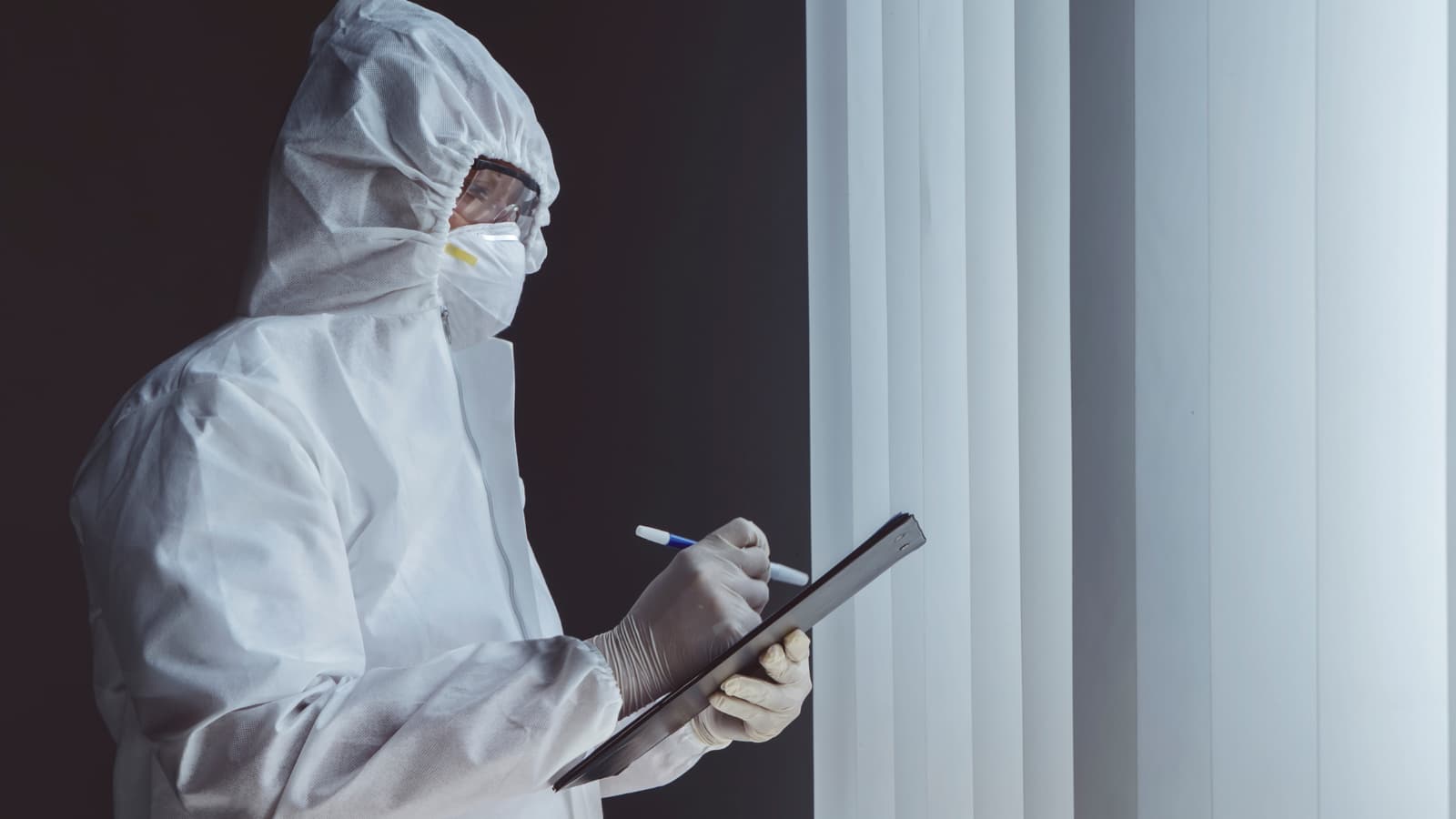
Even with preventive measures, mold can still find its way into your home. Here’s how to identify and remove the most dangerous molds for health: 1. Visual Inspection Regularly inspect your home for signs of mold. Look for discoloration on walls, ceilings, and floors. Mold can appear in various colors, including black, green, and white. 2. Musty Odor A persistent musty odor can indicate mold growth. If you notice this smell, investigate further to locate the source. 3. Professional Mold Testing If you suspect mold but cannot locate it, consider hiring a professional mold inspector. They can conduct tests to identify the presence and type of mold in your home. 4. Safe Mold Removal For small areas of mold, homeowners can often handle removal themselves. Use protective gear such as gloves, masks, and goggles. Clean the moldy area with soap and water, then disinfect with a solution of one part bleach to ten parts water. For larger infestations or toxic molds, it is best to hire a professional mold remediation company.
Hiring a professional mold remediation service ensures that mold is thoroughly and safely removed from your home. These experts have the tools and knowledge to deal with the most dangerous molds for health effectively. Benefits of Professional Mold Remediation:
- Thorough Inspection: Professionals can identify all areas of mold growth, including hidden spots.
- Safe Removal: They use specialized equipment and techniques to safely remove mold without spreading spores.
- Preventive Measures: Professionals can recommend and implement measures to prevent future mold growth.
Understanding the most dangerous molds for health and taking proactive steps to prevent and address mold growth in your home is crucial for maintaining a safe and healthy environment. By controlling humidity levels, fixing leaks, improving ventilation, and using mold-resistant products, homeowners can significantly reduce the risk of mold infestations.
Regular inspections and prompt action are key to keeping your home mold-free. If you suspect mold growth or experience health symptoms associated with mold exposure, consider professional mold testing and remediation services. Protect your home and your family's health by staying informed and vigilant about the risks posed by the most dangerous molds for health.
Read us first on Google
Mark Dry Effect as a preferred source and our water damage, mold, and waterproofing guides come up higher the next time you search.